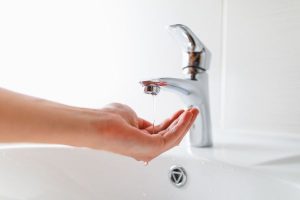
Low water pressure in your home can be a frustrating issue. It affects daily activities from taking showers to washing dishes. There can be multiple factors at play when you experience water pressure problems. It’s important to know what causes low water pressure, what solutions can help, and when it’s time to call a professional plumber.
Common Causes of Low Water Pressure
Some of the issues that can contribute to low water pressure include leaks in the plumbing system, clogs, and aging pipes. Identifying these causes is the first step toward resolving the problem.
- Mineral Buildup In Pipes
- Aging Pipe Systems
- Leaks In The Plumbing System
- Clogs & Obstructions
- Issues With City Water Supply
Mineral Buildup
Mineral buildup, specifically limescale, can significantly impact water pressure in areas with hard water. When minerals like calcium and magnesium deposit along pipe walls, they gradually narrow the passage through which water can travel. This constriction not only reduces water pressure but can eventually lead to full clogs.
- Limescale Accumulation: Calcium and magnesium deposits narrow pipe walls over time, progressively restricting water flow.
- Hard Water Vulnerability: Homes in hard water areas are disproportionately affected, making water softening solutions a worthwhile investment.
- Full Blockage Risk: Left untreated, mineral buildup can advance from reduced pressure to complete pipe obstruction requiring professional intervention.
Tackling The Challenge Of Older Pipes
Homes with older pipes often face unique challenges that can result in low water pressure. As pipes age, they may corrode, leading to increased friction and reduced water flow. In severe cases, pipes may become so compromised that they require replacement to restore adequate pressure. Ensuring your plumbing system consists of modern, corrosion-resistant materials is key.
Detecting & Repairing Leaks
Leaks are a primary source of diminished water pressure. Deteriorating seals, loose joints, or pipe breaks can all lead to water escaping the system. Detecting leaks can be as simple as observing unexpectedly high water bills or visible water damage. Addressing leaks promptly is essential to maintaining an efficient system.
- High Water Bills: An unexplained spike in water costs is frequently one of the earliest indicators of an undetected leak.
- Visible Damage: Staining, dampness, or mold on walls, ceilings, or floors can signal a leak within the plumbing system.
- Concealed Leaks: Leaks hidden within walls or under slabs require professional diagnostic equipment to locate accurately without unnecessary damage.
- Prompt Repairs: Delaying leak repairs allows water loss to compound, further reducing pressure and increasing the risk of structural damage over time.
Clogs & Their Impact on Water Pressure
Obstructions within pipes are another potential explanation for low water pressure. Clogs can result from the buildup of hair, soap scum, grease, or other debris over time. Regular maintenance and timely intervention can prevent severe blockages from forming, ensuring smooth water flow throughout your home.
When City Issues Affect Your Water Pressure
Occasionally, issues with the city’s main water line can affect your home’s water pressure. This might occur due to repairs, high usage periods, or other systemic changes at the municipal level.
- Municipal Repairs: Scheduled or emergency maintenance on city water lines can temporarily reduce pressure for homes connected to the affected supply.
- Peak Usage Periods: High demand during early morning or evening hours can strain municipal supply systems, resulting in temporary pressure drops across entire neighborhoods.
- Main Line Breaks: Damage to city infrastructure can cause sudden and significant pressure loss that affects multiple homes simultaneously.
- Staying Informed: Monitoring local utility announcements helps distinguish between city-side issues and problems originating within your own plumbing system.
When To Call A Plumber
While many homeowners may feel inclined to troubleshoot water pressure issues themselves, certain situations warrant professional intervention. We recommend calling a plumber in the following scenarios:
- Persistent Low Pressure: If you’ve addressed possible causes and pressure remains low, a professional can help identify less obvious problems.
- Multiple Fixture Issues: When low pressure affects various fixtures simultaneously, the problem may lie deeper within your plumbing system.
- Visible & Hidden Leaks: If leaks are detected but seem beyond your capability to fix, professional pipe leak repair services are needed.
- Complex Plumbing Configurations: Homes with intricate plumbing layouts might experience unique challenges that require specialized knowledge.
Proactive Measures To Maintain Water Pressure
Taking steps to prevent low water pressure can save time and money and ensure the well-being of your plumbing system. Here are some proactive measures homeowners can implement to maintain adequate water pressure:
- Regular Pipe Maintenance: Have your plumbing system inspected regularly by professionals to prevent buildup and corrosion over time.
- Water Softening Solutions: Installing a water softener can help minimize mineral deposits in hard water areas, preserving pipe integrity and flow.
- Pressure Regulators: Installing and properly adjusting a pressure regulator can help maintain consistent water flow and prevent potential damages.
- Annual Leak Inspection: Conduct an annual review to catch leaks early before they impact water pressure significantly.
- Monitor Municipal Updates: Stay informed about city water maintenance that might affect your local supply.
Expert Plumbing Solutions In San Jose, CA
With expertise and experience, we are prepared to restore normalcy and efficiency to your home. Situated in San Jose and serving the broader San Francisco Bay Area, Aquatek Plumbing offers professional solutions tailored to your specific plumbing challenges.
Our veteran-led company has been committed to delivering quality service since 1984, ensuring all issues, from minor clogs to significant pipe replacements, are handled with precision and care. Get in touch with us now and let our seasoned professionals take care of your plumbing needs efficiently and successfully.