
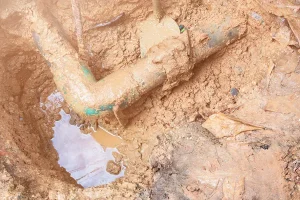
Drought conditions affect plumbing systems in California in ways that many homeowners do not realize until expensive repairs become necessary. Reduced groundwater, extended dry seasons, and water conservation practices all influence underground pipes, household wastewater flow, drains, and the long term health of residential plumbing systems.
Why California Drought Creates Serious Plumbing Challenges
California’s recurring drought cycles place unique stress on residential and commercial plumbing systems. While most people associate drought with water restrictions, the effects reach far below the surface. Dry soil contracts, groundwater levels decline, and aging infrastructure experiences greater strain over time.
Homes throughout San Jose and the San Francisco Bay Area often contain underground plumbing that was installed decades ago. As environmental conditions change, these systems become more vulnerable to leaks, cracks, corrosion, and reduced efficiency.
- Extended Soil Drying
- Changing Groundwater Levels
- Greater Pipe Movement
- Increased Water Conservation Demands
- Aging Plumbing Infrastructure
How Soil Shifting Places Underground Pipes At Risk
One of the most significant ways drought affects plumbing systems in California involves soil shifting. Moist soil normally provides stable support for buried plumbing lines. During prolonged dry periods, soil shrinks and settles unevenly.
This movement places stress on underground pipes that were designed to remain relatively stable. Even small shifts can create pressure points that eventually lead to cracked joints, broken water lines, or sewer pipe separation. Clay rich soils common in parts of the San Francisco Bay Area are especially prone to expansion and contraction as moisture levels fluctuate.
- Cracked Water Pipes
- Joint Separation
- Pipe Misalignment
- Foundation Related Plumbing Movement
- Hidden Underground Leaks
Pipe Corrosion Can Accelerate During Drought Conditions
Many homeowners assume pipe corrosion only develops because of aging materials. While age certainly contributes, drought conditions can also influence corrosion rates in certain plumbing systems.
Reduced water usage often allows water to remain inside pipes for longer periods. Minerals may become more concentrated, and stagnant water can create conditions that encourage internal corrosion. Older galvanized steel or copper plumbing may experience faster deterioration if maintenance is neglected. Signs of pipe corrosion may include:
- Discolored Water
- Reduced Water Pressure
- Metallic Taste
- Recurring Small Leaks
- Visible Rust Around Plumbing Fixtures
Sediment Buildup Can Reduce Plumbing Efficiency
Water conservation efforts are important during drought periods, but lower water flow can sometimes contribute to sediment buildup inside plumbing systems.
Minerals naturally found in California water supplies settle more easily when water remains stationary for longer periods. Over time, sediment accumulates inside water heaters, supply lines, and plumbing fixtures. This buildup reduces efficiency, restricts water flow, and increases wear on appliances connected to the plumbing system.
Professional inspections help identify sediment accumulation before it develops into larger plumbing problems.
Household Wastewater Flow Changes During Water Conservation
Households often reduce water usage significantly during drought restrictions. Although conserving water is beneficial, using substantially less water may alter the movement of household wastewater through drain and sewer systems.
Lower flow volumes sometimes allow solids to move less efficiently through drain lines. Waste that previously flushed easily may remain inside pipes longer, increasing the possibility of partial blockages over time. This issue becomes more noticeable in older homes with aging drain systems or minimal pipe slope.
- Slower Drain Performance
- More Frequent Drain Cleaning Needs
- Organic Material Accumulation
- Grease Build Up
- Localized Sewer Line Blockages
Drains Require More Preventive Maintenance During Dry Periods
Healthy drains depend on consistent water movement to transport debris through the plumbing system. During extended drought conditions, homeowners often use less water throughout the day, reducing the natural flushing action inside drain lines.
Preventive maintenance becomes increasingly valuable. Regular inspections and professional drain cleaning remove developing obstructions before they become complete blockages that require emergency plumbing service. Simple habits also help maintain drain performance.
- Flush Drains With Adequate Water Periodically
- Avoid Pouring Grease Into Sinks
- Use Drain Screens
- Dispose Of Food Waste Properly
- Schedule Routine Drain Inspections
Underground Pipes Often Hide Early Warning Signs
Unlike visible plumbing fixtures, underground pipes can develop damage without obvious symptoms. Small leaks may continue for months before homeowners notice higher utility bills or landscape changes.
Drought conditions can make leak detection more difficult because dry soil absorbs escaping water differently than saturated ground. Instead of visible pooling, moisture may disperse beneath the surface while gradually eroding surrounding soil.
Common warning signs include unusually high water bills, isolated green patches in the yard, reduced water pressure, or unexplained foundation movement.
Older Homes Throughout San Jose Face Greater Plumbing Risks
Many neighborhoods throughout San Jose contain homes built several decades ago. While these properties often possess lasting construction quality, older plumbing materials may not respond well to repeated drought cycles.
Galvanized pipes, aging copper systems, clay sewer lines, and outdated connections become increasingly susceptible to shifting soil and long term environmental stress. Routine plumbing evaluations provide homeowners with valuable information before major failures occur.
Water Conservation Without Compromising Plumbing Health
Water conservation remains essential throughout California, but it should be balanced with practices that protect plumbing systems. Conserving water does not require allowing plumbing components to sit unused for extended periods.
Running fixtures periodically, maintaining water heaters, inspecting shutoff valves, and scheduling routine plumbing maintenance all support healthy operation while still reducing unnecessary water consumption.
- Repair Leaks Promptly
- Install Water Efficient Fixtures
- Maintain Water Heaters
- Monitor Water Pressure
- Inspect Plumbing Annually
Frequently Asked Questions About Drought & Plumbing Systems
Many homeowners have questions about how drought conditions affect plumbing systems in California beyond obvious water shortages.
Can drought actually break underground pipes?
Yes. Soil shifting caused by prolonged dry conditions can create stress that eventually cracks or separates underground pipes.
Does reduced water use increase drain problems?
It can. Lower water flow sometimes allows waste and debris to accumulate more easily inside drain lines.
Should plumbing inspections become more frequent during drought?
Regular inspections become increasingly valuable because they identify hidden issues before extensive repairs become necessary.
Can drought increase pipe corrosion?
In some situations, yes. Water quality changes, mineral concentration, and longer water stagnation periods may contribute to corrosion in aging plumbing systems.
Is every home equally affected?
No. Factors including soil composition, plumbing age, pipe materials, maintenance history, and property location all influence how severely drought affects a home's plumbing system.
Protect Your Plumbing Investment Across San Jose & The Bay Area
Drought conditions are likely to remain an ongoing reality throughout California, making proactive plumbing care increasingly important for homeowners. Understanding how soil shifting, pipe corrosion, sediment buildup, underground pipes, household wastewater, and drains respond to extended dry conditions allows property owners to reduce costly repairs while improving long term system reliability.
If you’re looking for experienced plumbing San Jose professionals, AquaTek Plumbing proudly serves homeowners throughout San Jose and the San Francisco Bay Area with inspections, maintenance, leak detection, and dependable plumbing solutions designed to keep your system performing efficiently in every season.