
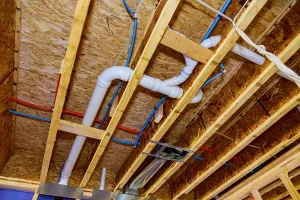
Many San Jose, CA homeowners may wonder what’s causing their water pipes to get noisy. Your plumbing may suddenly produce banging or knocking sounds. These noises can come from changes in water pressure or fixtures that do not shut off smoothly.
Some sounds are minor, but persistent pipe noise can indicate a developing plumbing problem that deserves attention, particularly in older homes throughout San Jose and the broader San Francisco Bay Area. The source of the sound can determine when a simple adjustment may be enough and when professional residential plumbing services are appropriate.
Common Reasons For Noisy Pipes In San Jose Homes
The reasons for noisy pipes vary according to factors such as the plumbing system and when the sound occurs. Pressure fluctuations, pipe movement, and mechanical components can all create noticeable sounds behind walls or beneath floors. Common sources include loose supply lines and high water pressure.
- Loose Pipes: Water movement can cause unsupported piping to vibrate or strike framing.
- High Water Pressure: Excessive pressure can make valves and fixtures operate noisily.
- Worn Faucets: Damaged cartridges, washers, or seals can produce whistling and chattering.
- Trapped Air: Air pockets can create sputtering, banging, or irregular water flow.
Why Water Hammer Causes Sudden Banging
Water hammer is one of the most recognizable causes of loud plumbing. It occurs when flowing water stops or changes direction abruptly, creating a pressure surge that can make pipes bang against nearby framing. The effect is especially noticeable when a faucet, washing machine or other fixture closes rapidly.
Older plumbing systems may have used an air chamber to absorb some of this pressure, while modern systems often use engineered water hammer arrestors. If banging occurs immediately after a fixture shuts off, a professional can examine the fixture, pipe supports, water pressure, and pressure-control equipment to identify the underlying problem.
Why Pipes Make Noise When Water Is Turned Off
Pipes making noise when water is turned off often point toward pressure movement rather than a continuous leak. A sharp bang or series of knocks immediately after shutting off a faucet can indicate water hammer or movement of inadequately secured piping.
A softer tapping or ticking sound may have a different cause. Hot water lines can expand as they heat and contract as they cool, sometimes rubbing against wood or other building materials. The timing and character of the noise are important clues when diagnosing the system.
Why Water Pipes Making Noise During The Night Matter
Water pipes making noise during the night can be particularly concerning because the home is quiet enough to make subtle sounds noticeable. If nobody is using water, intermittent noises may result from a toilet refilling, thermal expansion, or a fixture with a slow leak.
Homeowners can narrow down the source by noting whether the sound occurs at predictable intervals or after another household event. A plumber may also inspect the water main and individual fixtures to determine whether the sound originates inside the home or from the incoming supply.
How Faucets & Valves Create Plumbing Noise
Faucets and valves are frequent sources of high-pitched squeals and vibration. Mineral deposits and damaged cartridges can disrupt smooth water flow and cause turbulence.
Because fixtures are connected directly to the water supply, a seemingly minor faucet problem can sometimes transmit vibration through the connected piping. Replacing a worn component may resolve the noise, but persistent vibration should be investigated to ensure the underlying water pressure or pipe-support issue is not being overlooked.
How The Water Main & Pressure Affect Pipe Sounds
The water main supplies the property and establishes an important part of the home’s incoming water conditions. Changes in municipal supply conditions or the home’s own plumbing controls can influence how pipes behave when fixtures open and close.
When investigating residential plumbing concerns, measuring water pressure can provide useful diagnostic information. Pressure that is consistently too high can contribute to noisy fixtures and place unnecessary stress on plumbing components, while pressure problems can also affect showers, faucets, appliances, and toilets.
Simple Clues That Help Identify Noisy Pipes
Before assuming the entire plumbing system needs repair, you can observe when and where the noise occurs. These details give a professional valuable information and can distinguish between fixture-specific problems and broader pressure or piping concerns.
- Sound After Shutoff: Consider water hammer, loose piping, or pressure-related movement.
- High-Pitched Whistle: Inspect faucets, valves, cartridges, and restricted water passages.
- Nighttime Knocking: Check toilets, appliances, thermal changes, and intermittent water use.
- Continuous Humming: Investigate pressure, valves, fixtures, and possible water flow.
- Noise Near A Wall: Consider unsupported pipes or expansion against framing.
Get Expert Plumbing Help For Noisy Pipes In San Jose
Unusual plumbing sounds are useful warning signals, not simply household annoyances. For homeowners in San Jose, CA and throughout the San Francisco Bay Area, our team can evaluate noisy water pipes and related plumbing components to determine the source and recommend an appropriate repair. When you need dependable residential plumbing expertise, AquaTek Plumbing is ready to help restore a quieter, more reliable plumbing system.